Subfloor First
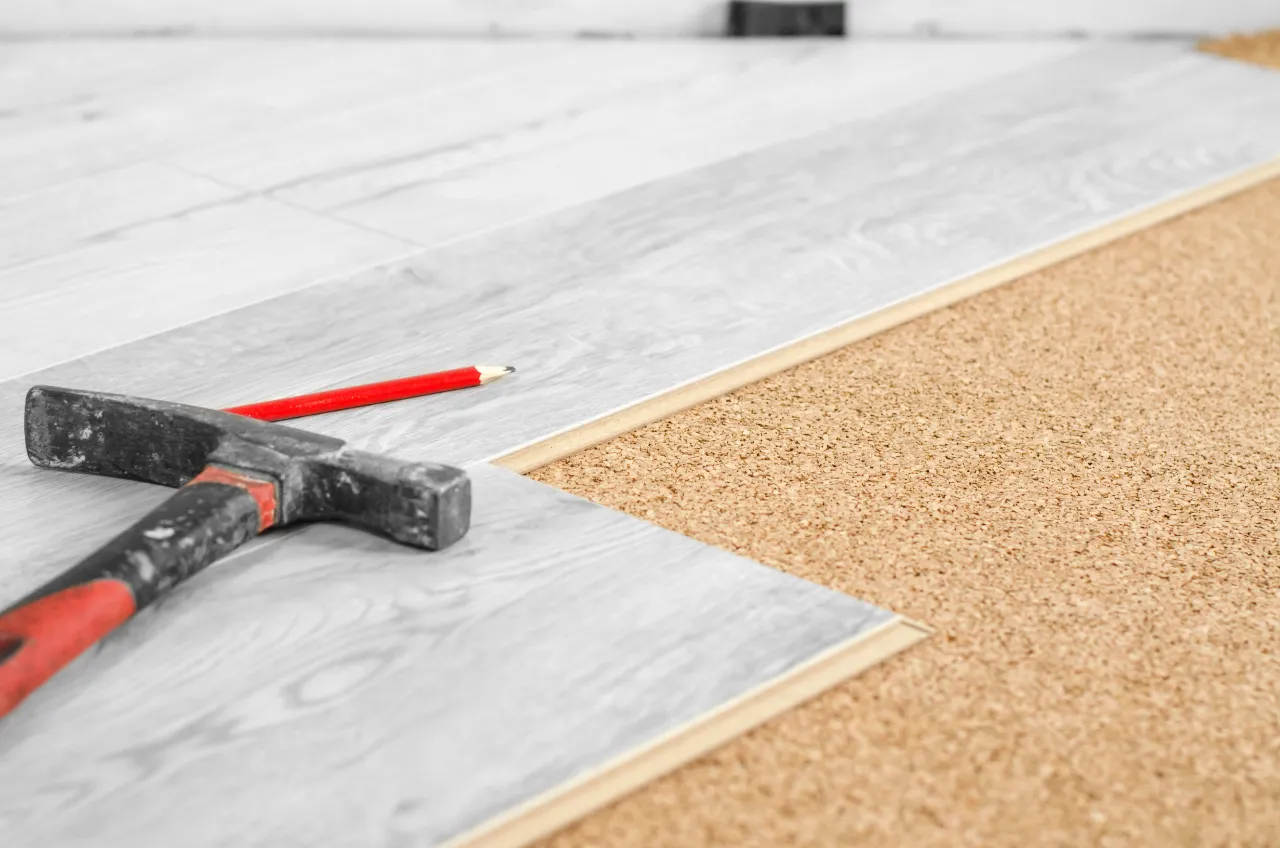
The base gets leveled and repaired before any installation, because every flaw underneath eventually shows through the finished floor above.
MasterBuilt Solutions installs vinyl, wood, and tile flooring on residential properties in Connecticut. Most flooring complaints start under the surface. The subfloor is checked, leveled, and repaired before the first plank or tile goes down.
A floor telegraphs whatever it sits on. A dip in the subfloor becomes a soft spot in vinyl or a gap in hardwood. In tile it becomes a cracked grout line. The prep decides how the floor ages.
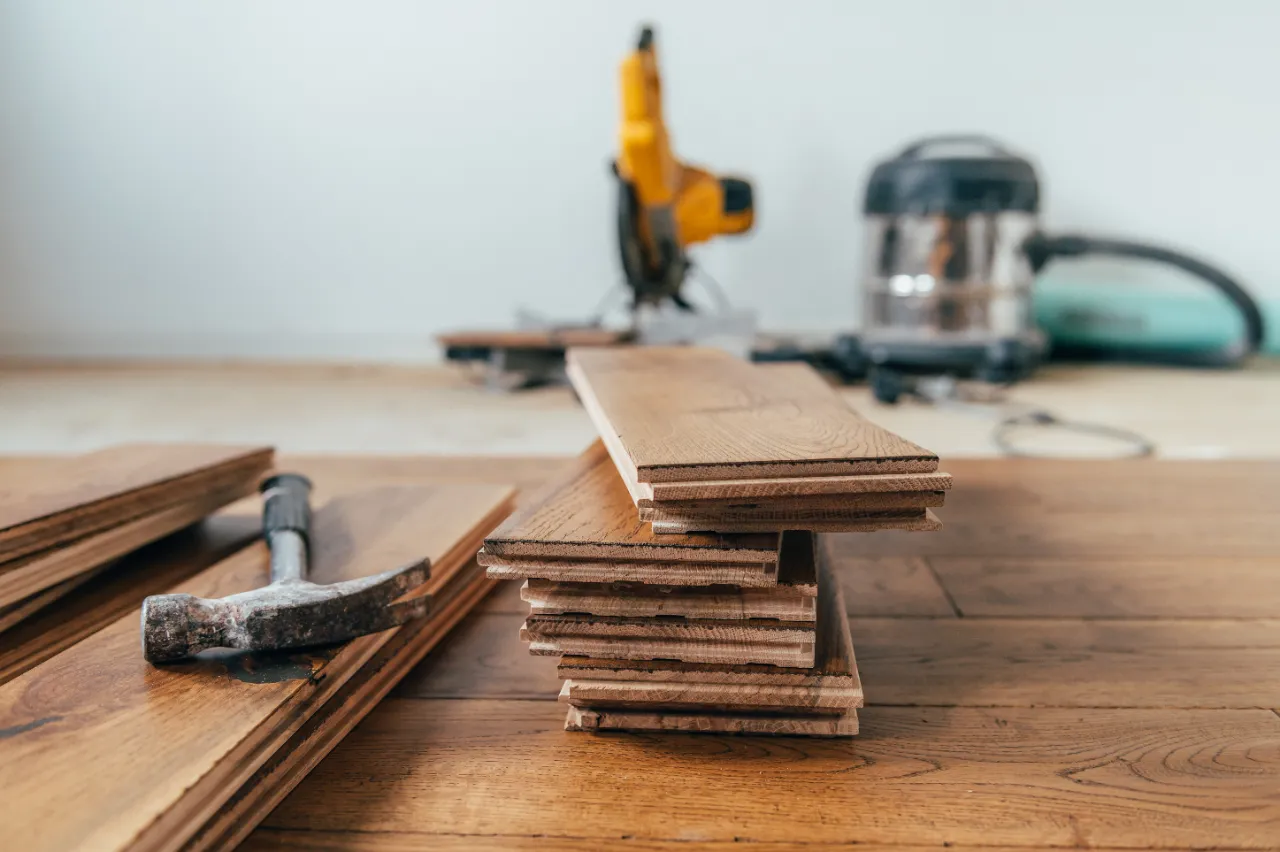
MasterBuilt Solutions handles flooring installation and replacement in vinyl, hardwood, and tile. Old material comes out, the subfloor is checked for damage, and transitions are cut to fit each room.
We measure every room, check the subfloor, and go over the vinyl, wood, and tile options with you.
You get the material, the square footage, and the price in writing before we order anything at all.
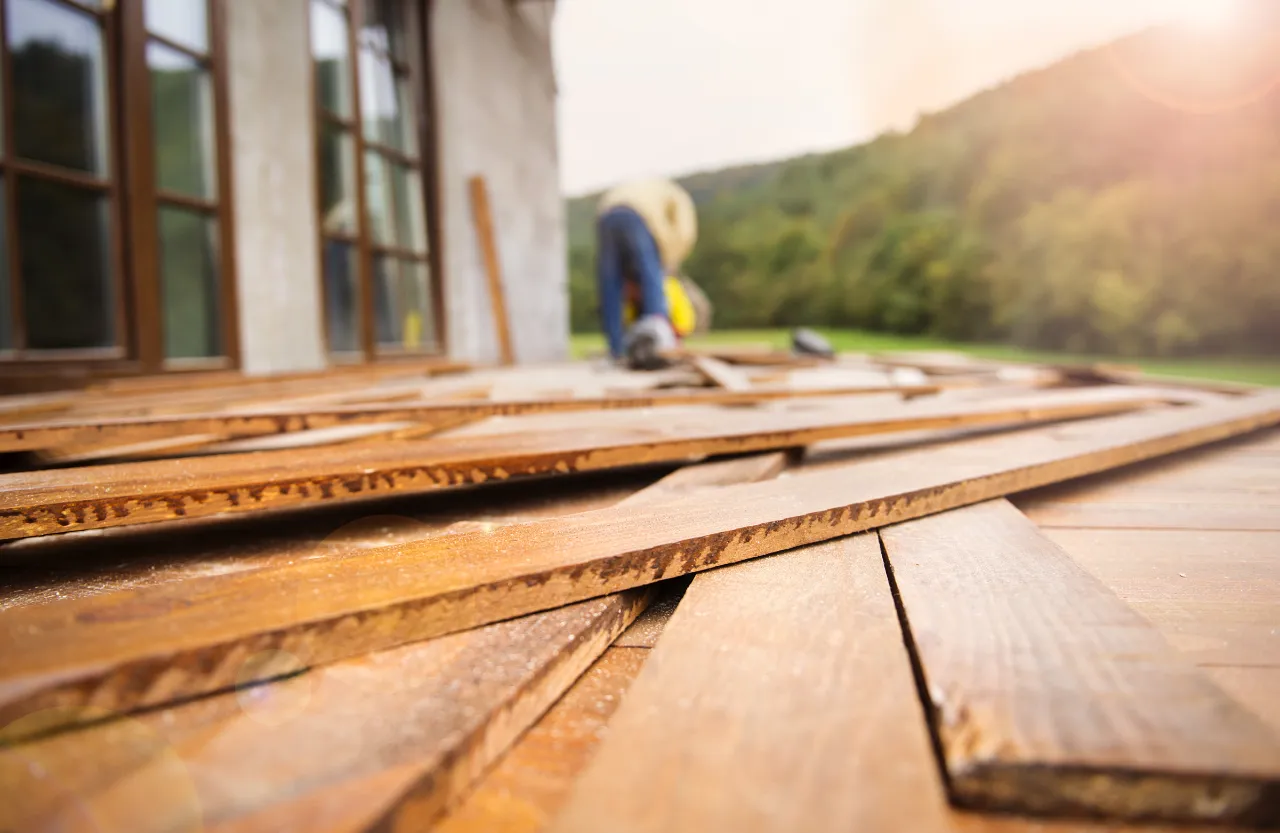
Old flooring comes out, damaged sections are replaced, and the surface is leveled and cleaned before anything else.
Flooring goes down, then transitions, thresholds, and shoe molding finish the edges in every room of the house.
The base gets leveled and repaired before any installation, because every flaw underneath eventually shows through the finished floor above.
Vinyl, hardwood, and tile are installed by the same team, so the transitions between the rooms actually line up right.
Work runs one area at a time, so you are not camped out around the entire house at one time.
Sometimes, and sometimes it's a bad idea. It depends on what's down there, how flat it is, and how much height you can give up at the doorways. We pull a corner and look before answering that one.
A single room is usually a day or two. A full floor of the house takes longer, and tile adds curing time for the mortar and the grout. Wood needs acclimation days before we even start.
Vinyl is the safer bet in most Connecticut basements. It handles moisture and temperature swings without a fight, and a slab that sweats will find the weak point in anything else you put down there.
Yes, for the areas we're working in. Anything fragile or valuable is better off handled by you. We'll go over what needs to be out of the room before the crew shows up.
Often we can get close. Age, finish, and sun exposure change the color of existing wood, so an exact match is rare. A transition strip at the doorway is sometimes the cleaner answer.
[PENDIENTE — confirmar con el cliente si suministra el material, si trabaja con material del cliente, o ambas modalidades, antes de publicar esta respuesta.]
Hartford County (12)
Litchfield County (10)