Almost nobody wants to hear the word replacement, and a good contractor should not lead with it. Plenty of roofs in Connecticut have real life left and a problem confined to one area, and in those cases a repair is the right call and the honest one. The trouble is that the decision between roof repair and replacement gets made badly in both directions. Some homeowners patch a roof that is clearly finished, paying three times over five years for work that solved nothing. Others replace a roof that had eight good years left because one contractor found a leak and quoted the only job he wanted to sell. The useful way to approach it is to stop thinking about the leak and start thinking about the age of the roof, the condition of the decking, and how many times you have already paid somebody to go up there. Those three answers usually settle the question before anyone quotes a price.
When a Repair Makes Sense
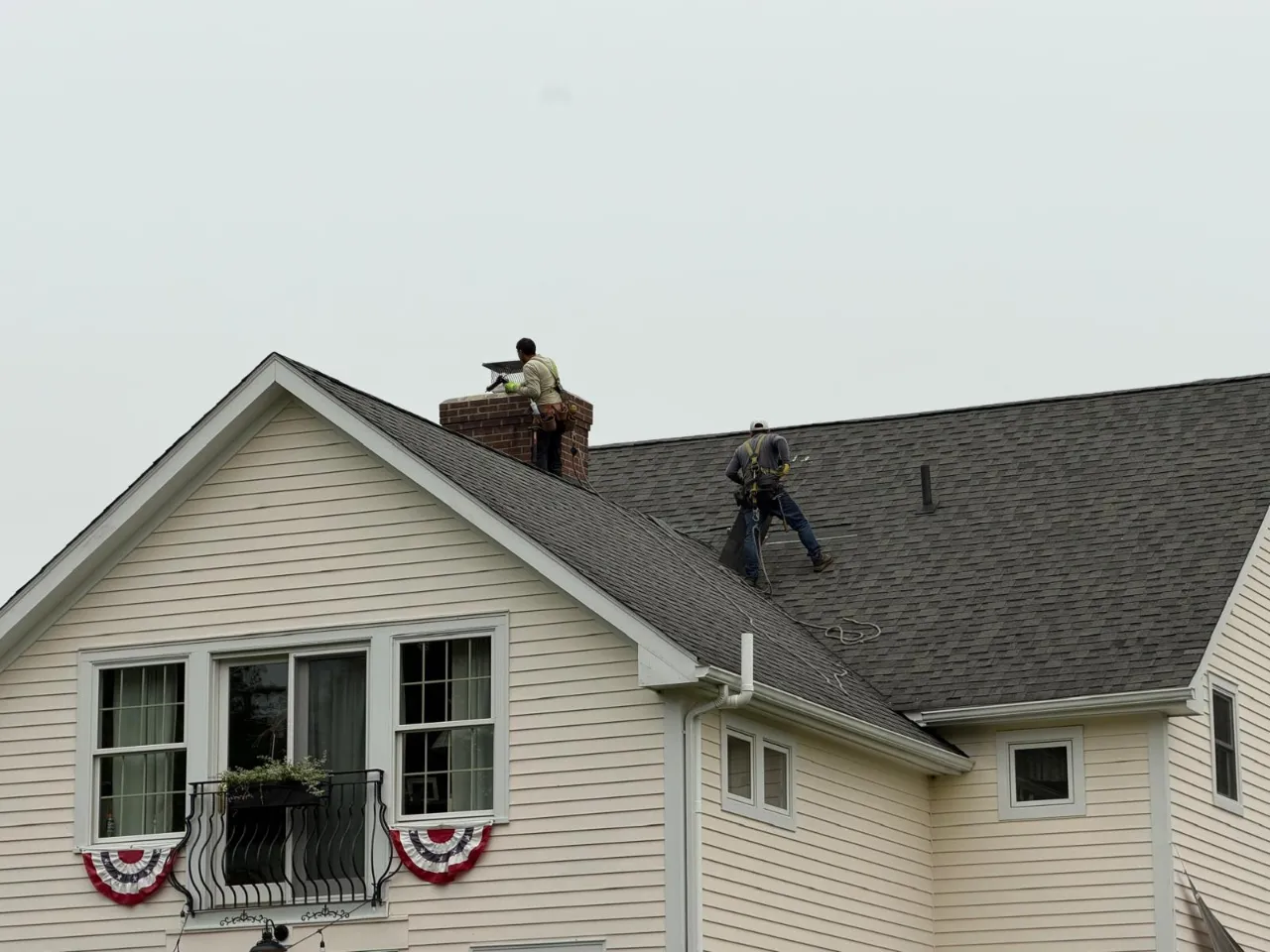
A repair is the right answer when the damage is isolated and the rest of the roof is still performing. A branch came through, a section of flashing failed at a chimney, wind lifted shingles on one slope, or a vent boot cracked. In all of those cases the material around the damage is still flexible, the granules are still in place, and the roof has years of service ahead. The test is simple. If a contractor can point to a specific cause, and the rest of the field looks healthy, repairing that area is not a band aid. It is maintenance, and it is what a roof is supposed to receive over its lifetime.
When Replacement Costs Less
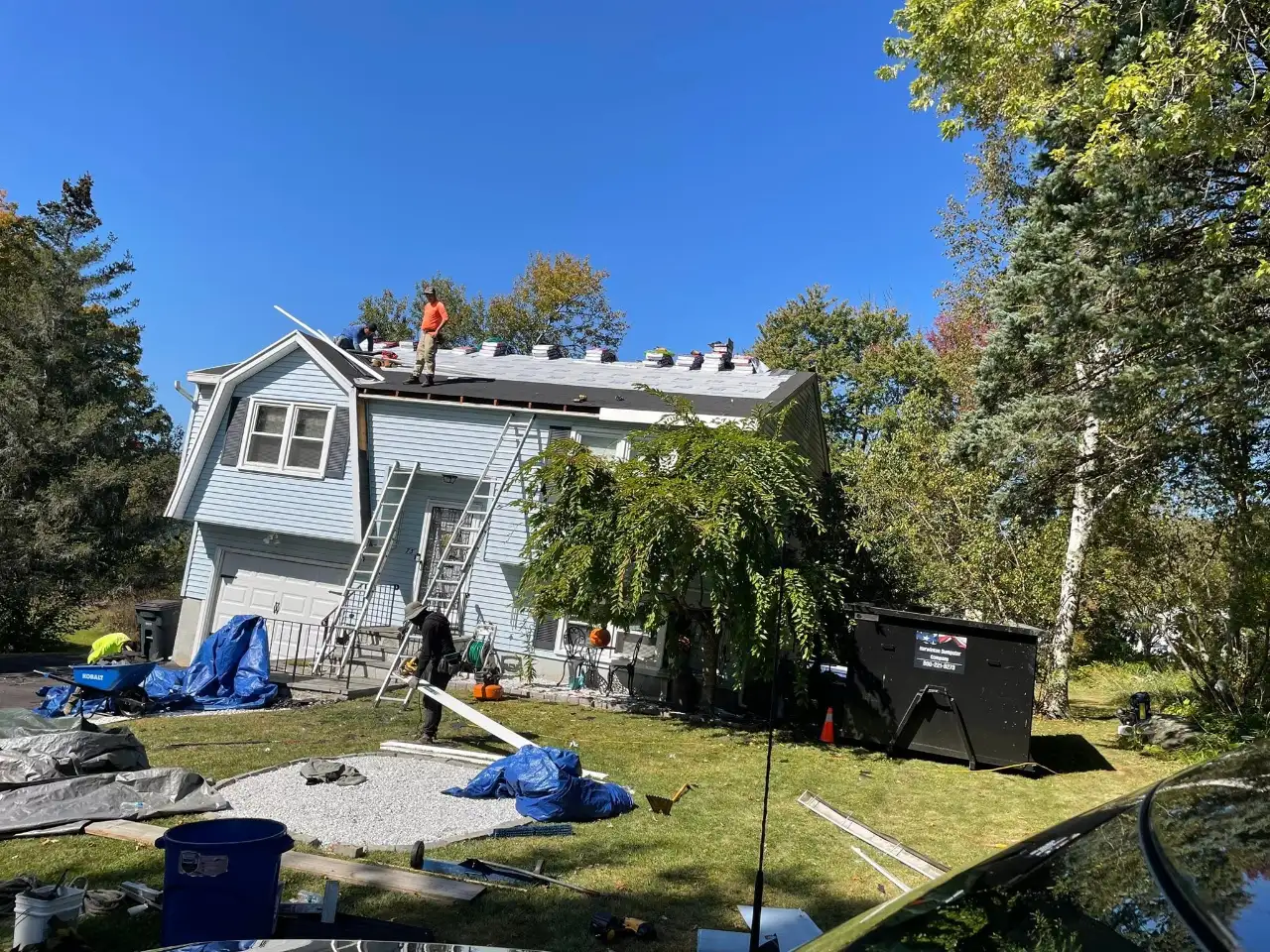
The math changes when the failures stop being isolated. Shingles curling at the edges, granules collecting in the gutters, brittle material that cracks when it is walked on, and leaks appearing in more than one location all point to a roof that has aged out rather than one that got damaged. At that point every repair buys a season and costs money that does not accumulate toward anything. Homeowners in Connecticut often spend two or three thousand dollars over four winters chasing leaks on a roof that needed replacing at the start of that period. Replacement is not the upsell in that scenario. It is the cheaper path.
What the Decking Tells You
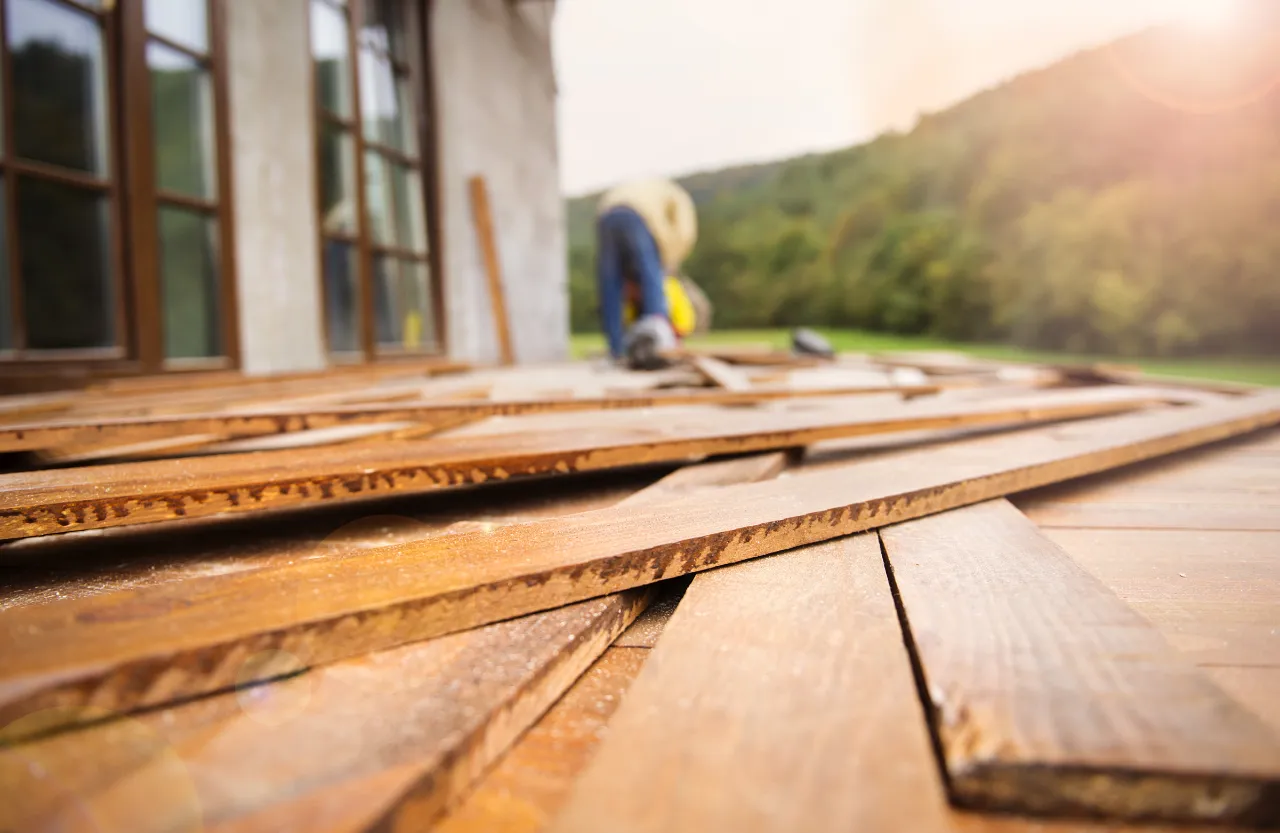
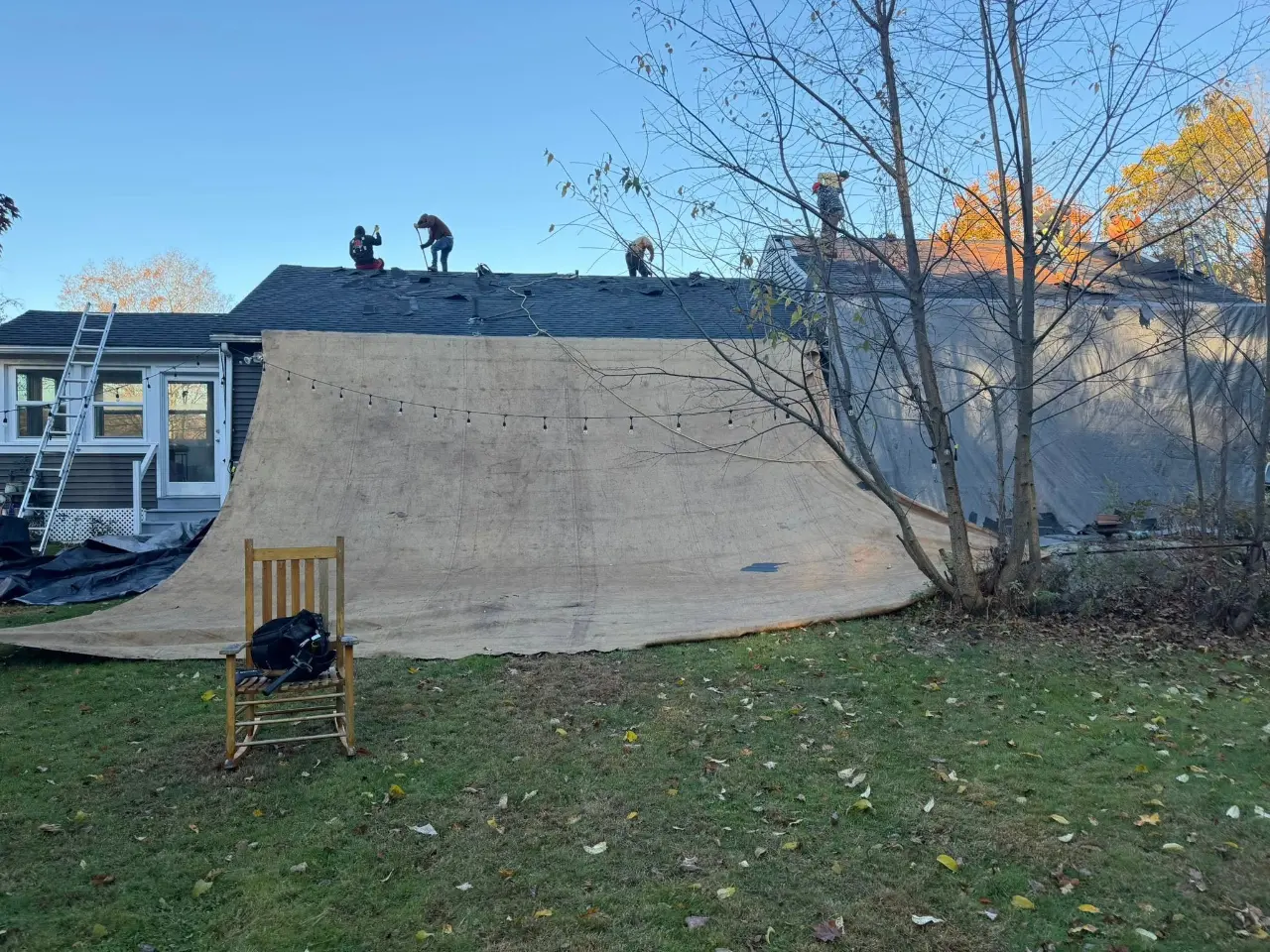
The layer nobody sees decides more than the shingles do. If water has been getting through for a while, the plywood or plank decking underneath goes soft, and soft decking will not hold a nail. That is why a contractor who quotes a roof from a satellite measurement is guessing about the most important variable in the job. It is also why a proper estimate includes what happens if decking has to be replaced, stated in writing before the tear off starts, rather than as a surprise on day two when the old roof is already sitting in the dumpster and you have no leverage left.
Questions Worth Asking Before You Decide
Ask how old the roof is and how that compares to the expected life of the material. Ask to see photos of the damage rather than taking a verbal description. Ask what the contractor found at the flashing, the valleys, and the eaves, since those are where roofs actually fail. Ask what happens if the decking is bad. And ask whether the attic was looked at, because on a Connecticut house a recurring leak at the eave is often an ice dam problem that a new roof will not solve on its own. The answers tell you as much about the contractor as about the roof.