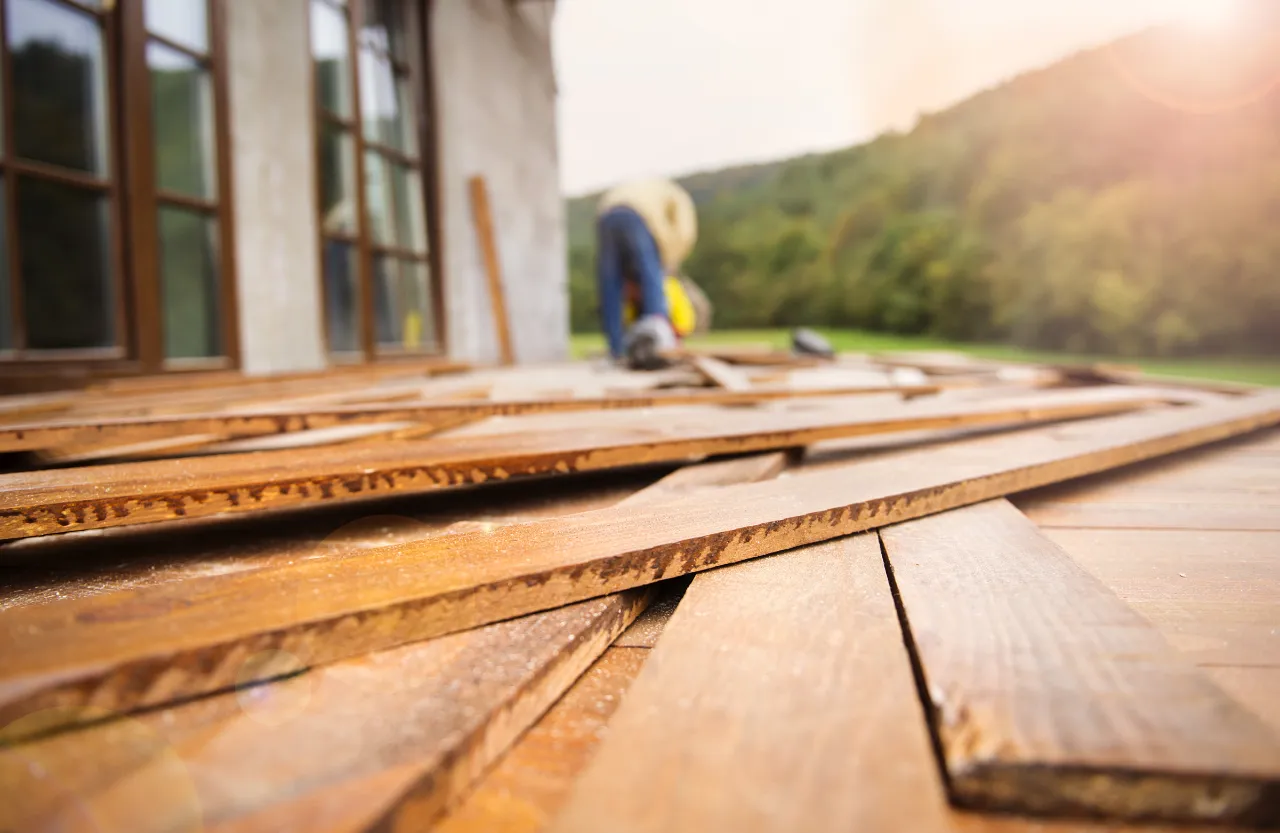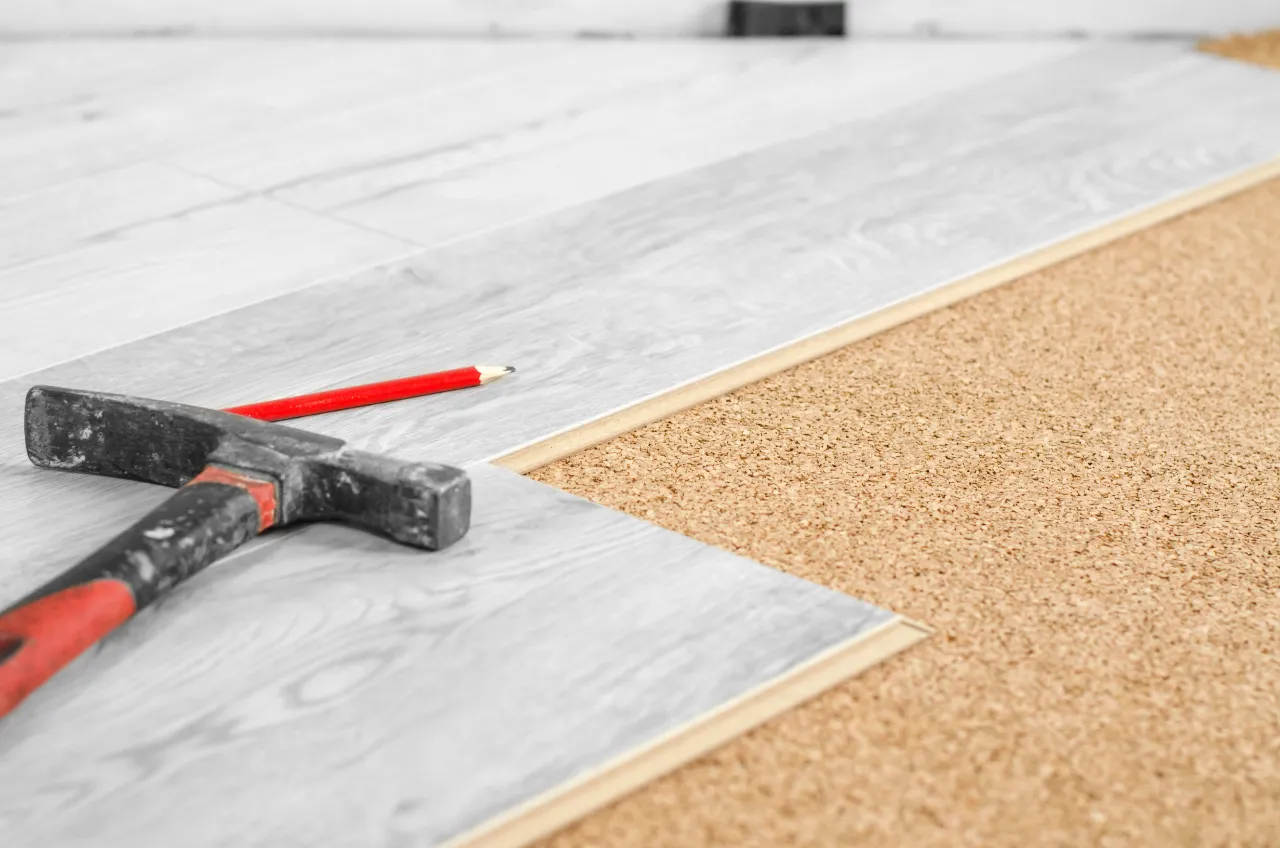
Most flooring decisions get made in a showroom, under lighting designed to sell, with samples held at an angle nobody will ever see the floor from. Then the material goes into a house with a damp basement, a humid August, and a heating season that runs from October to April, and the room decides whether the choice was right. Choosing flooring in Connecticut is less about which material is best and more about which material belongs in which room. Vinyl, wood, and tile all perform well where they fit and all disappoint where they do not. The other half of the answer is under your feet already, because the subfloor decides more about the finished result than the product on top of it does. A dip, a soft spot, or a plank subfloor that moves with the seasons will show through any material you put over it, and that is true whether you spent three dollars a square foot or twelve. Choosing well means matching the room, the moisture, and the floor that already exists.
Basements and Anywhere Below Grade
Solid hardwood and a Connecticut basement do not belong in the same sentence. Concrete slabs release moisture, basement humidity swings with the seasons, and wood responds by cupping, gapping, or lifting entirely. Luxury vinyl plank has become the standard answer down there for good reason. It handles moisture without a fight, it stays warmer underfoot than tile, and it comes in patterns that read as wood without behaving like it. Tile also works below grade and is the more durable of the two. What matters more than the choice is whether the slab is dry, because a floor that traps moisture creates a different problem than the one it solved.
Kitchens, Baths, and Mudrooms
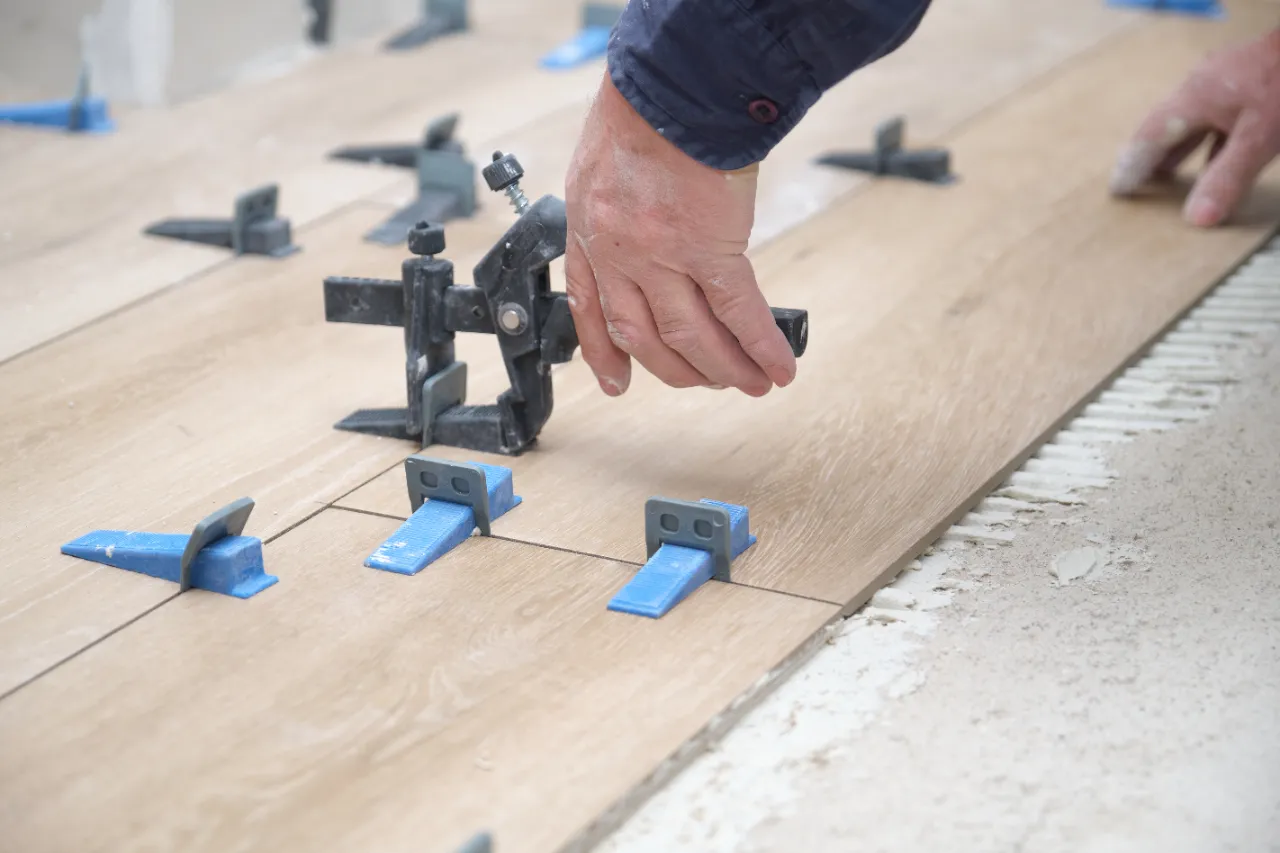
These rooms take standing water, dropped pans, and salt tracked in from the driveway all winter. Tile is the traditional answer and still the most durable, particularly in a mudroom where the abuse is constant. Luxury vinyl plank has closed much of the gap and wins on comfort, on cost, and on how it feels in bare feet in February. Wood can work in a kitchen if the household is careful and spills get wiped promptly, but in a bathroom it is a losing bet. The deciding question is usually how much water the room actually sees in a week, and how forgiving you want to be about it.
Living Areas, Bedrooms, and Stairs
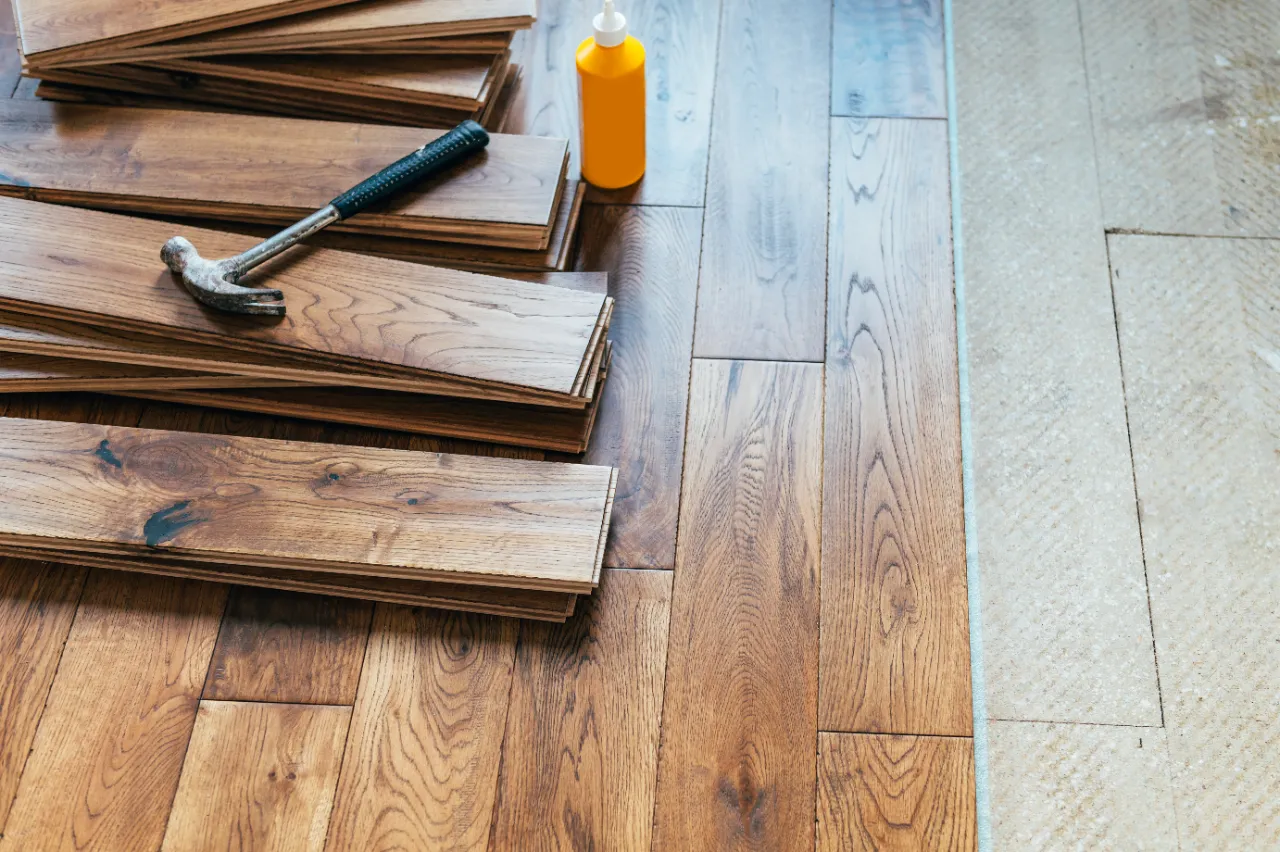
This is where wood earns its reputation. Hardwood in a living room or a bedroom adds value that buyers in Connecticut actually pay for, and it refinishes rather than gets replaced, which means a fifty year old floor can be made to look new again. Before ordering anything, check what is already there. Houses built before 1960 in this state frequently have original hardwood hiding under carpet, and refinishing what exists usually costs less than buying a replacement for it. Engineered wood is the middle path where a slab or a humidity concern rules out solid boards but you still want real wood underfoot.
What the Subfloor Decides
Whatever you choose, the layer underneath sets the ceiling on the result. A dip in the subfloor becomes a soft spot in vinyl, a gap in hardwood, and a cracked grout line in tile. Tile in particular is unforgiving about movement, which is why a floor that flexes needs stiffening before the first tile is set. Older Connecticut homes often have plank subfloors rather than plywood, and planks move differently and need an underlayment before vinyl or tile goes down. None of this is visible when the material is chosen, which is exactly why it gets skipped and then blamed on the flooring.