Every roofing article online wants to give you a number, and every number is wrong for your house. Roof cost in Connecticut moves with a handful of variables, and two houses on the same street with the same square footage can come in thousands of dollars apart for reasons that are completely legitimate. Understanding those variables is more useful than any average, because it lets you read an estimate and tell whether the contractor actually looked at your roof or ran a satellite measurement and applied a formula. It also lets you compare two bids that look different on paper and figure out whether one is genuinely cheaper or simply incomplete. That second skill is worth more than any price range, because the gap between two roofing quotes in Connecticut is usually explained by something that was left out rather than by one contractor being greedy. Here is what actually moves the number, in roughly the order it matters.
Size, Pitch, and Access
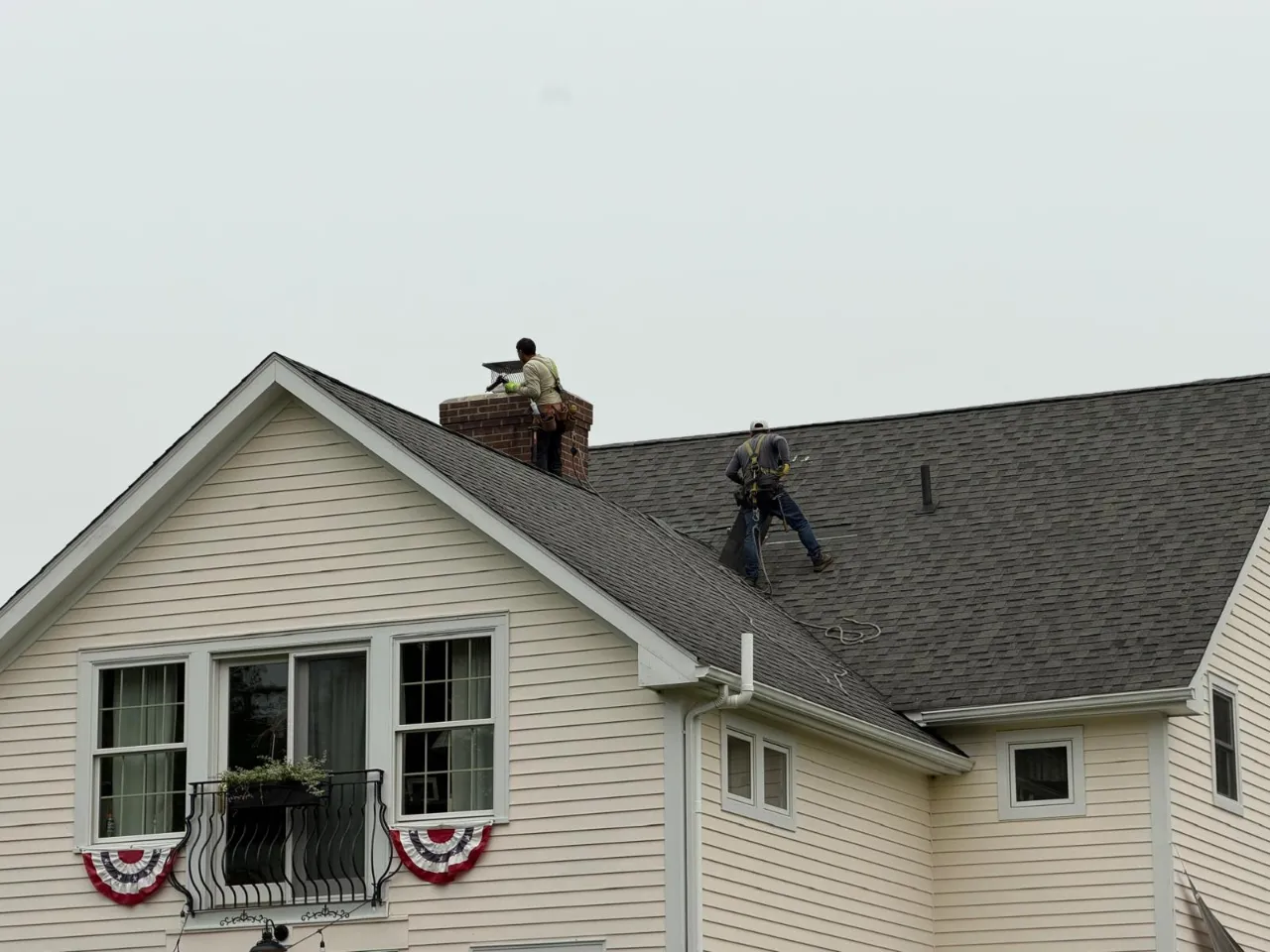
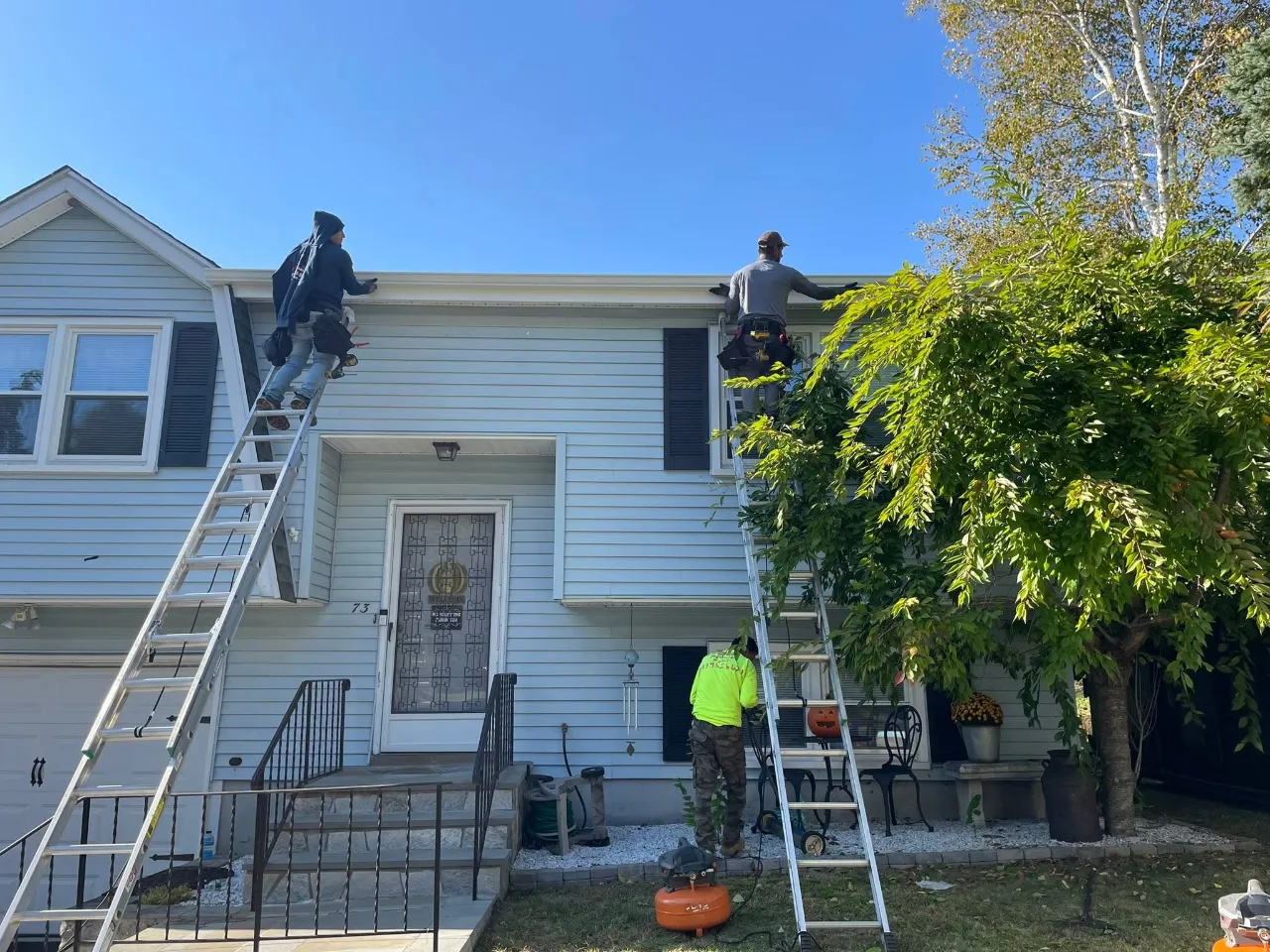
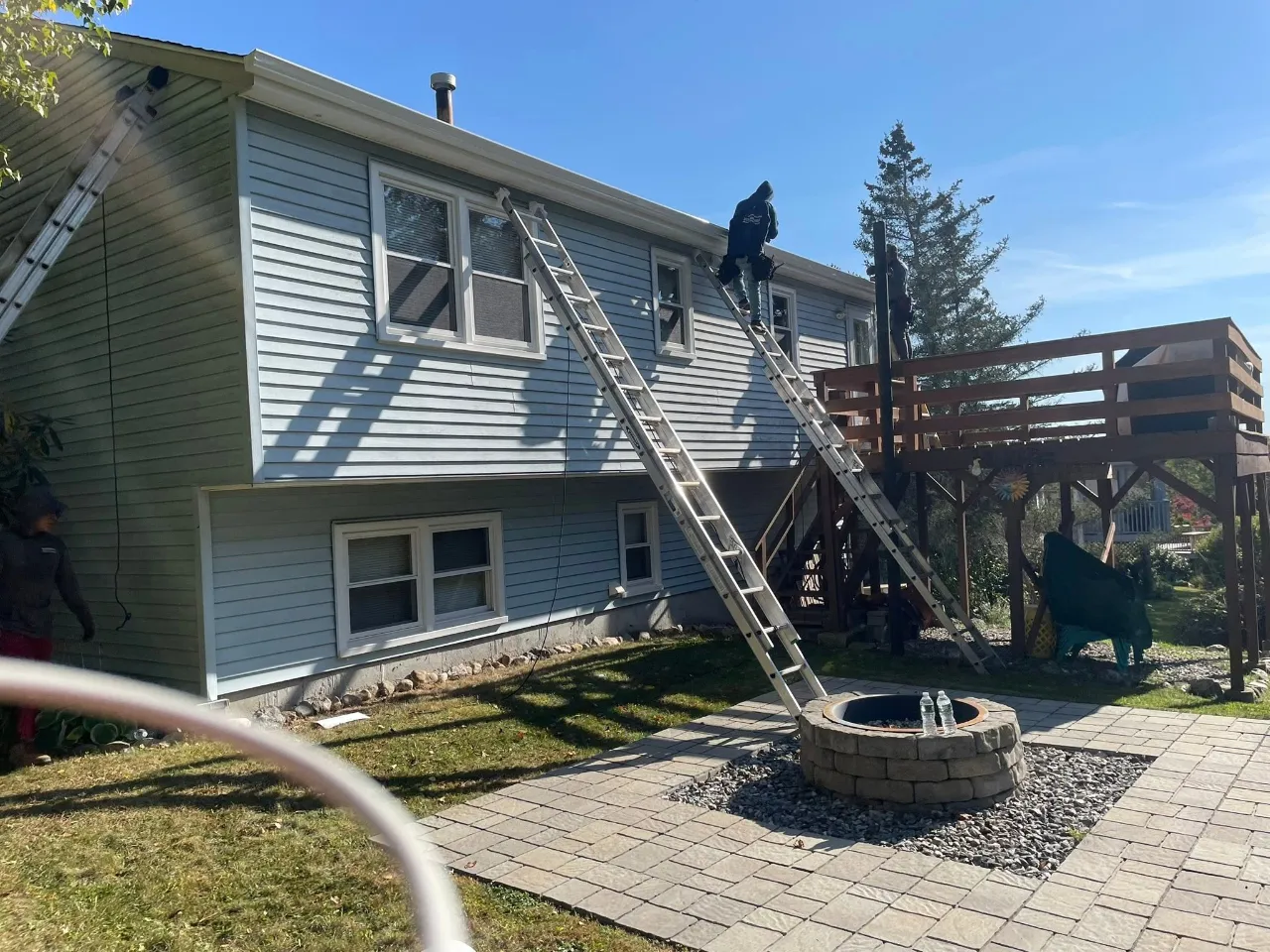
Square footage is the starting point, but roof area is not house area. A roof with steep pitch has more surface than the footprint suggests, and steep roofs also slow the crew down and require additional safety setup, which costs labor hours. Access matters just as much. A roof that a dump trailer can sit under is faster to tear off than one on a wooded lot with no place to stage material. Dormers, valleys, hips, and skylights each add cut lines and flashing work. A simple gable roof and a complicated roof of identical area are genuinely different jobs.
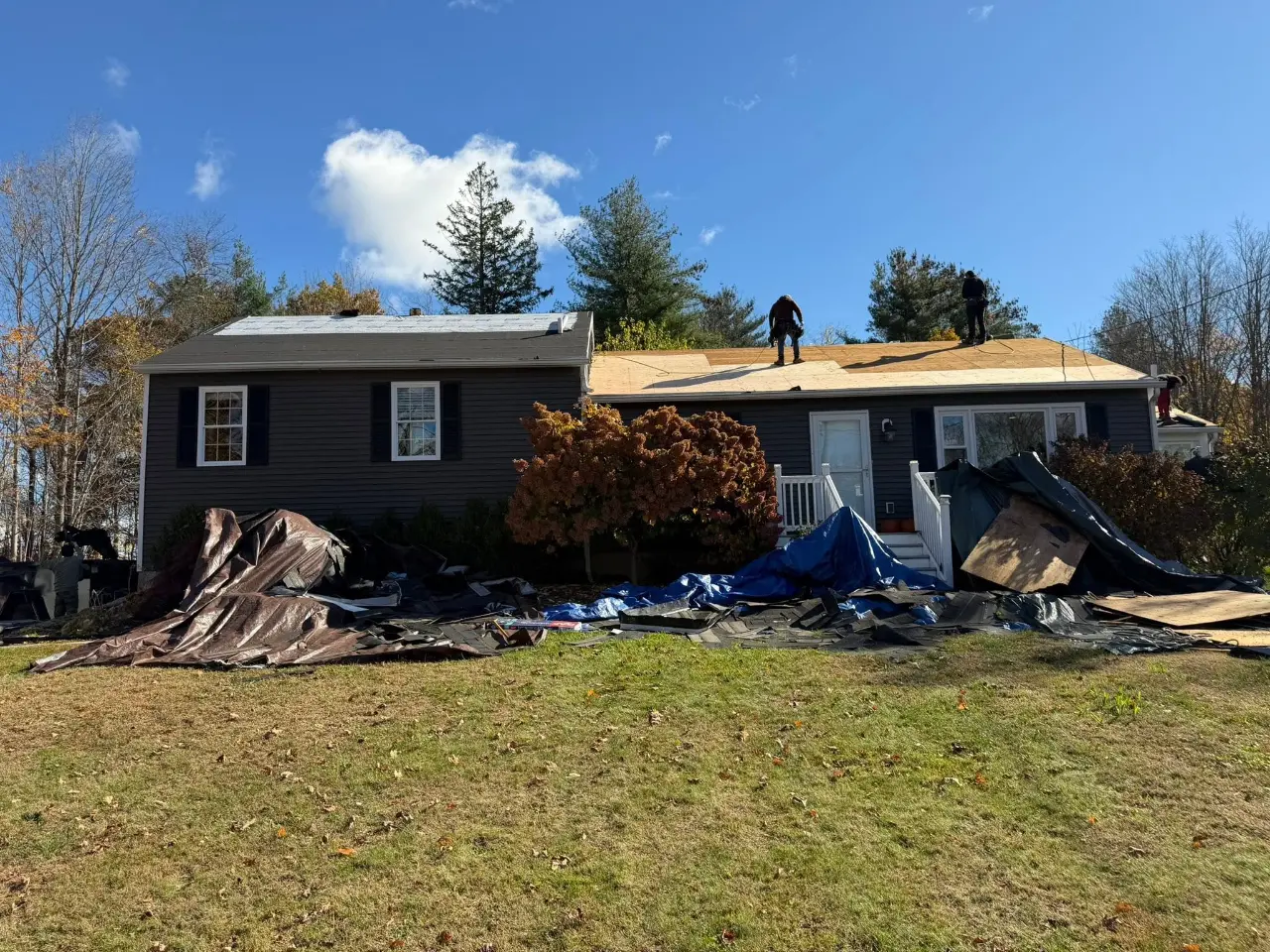
Layers and What Is Under Them
How many layers come off changes both labor and disposal cost, and disposal is not trivial. A roof carrying two or three layers of old shingles takes longer to strip and fills more dumpster space. Then there is the decking. If the plywood or plank sheathing underneath has gone soft from years of leaking, it has to be replaced, and no honest contractor can tell you how much of that exists before the tear off. What a good estimate does is state the per sheet price for decking replacement up front, so the number is agreed before anyone discovers the problem.
Materials and the Details That Come With Them
Shingle choice moves the price, but so do the components most homeowners never see listed on a quote: ice and water shield along the eaves and in the valleys, underlayment across the field, new flashing at chimneys and walls, drip edge, ridge vent, and pipe boots. Those items are where two estimates most often differ from each other. A bid that reuses old flashing and skips the ice and water shield will always come in lower, and in this climate it will always be the one that leaks first. When comparing roofing quotes in Connecticut, the winter details are the lines worth reading carefully.
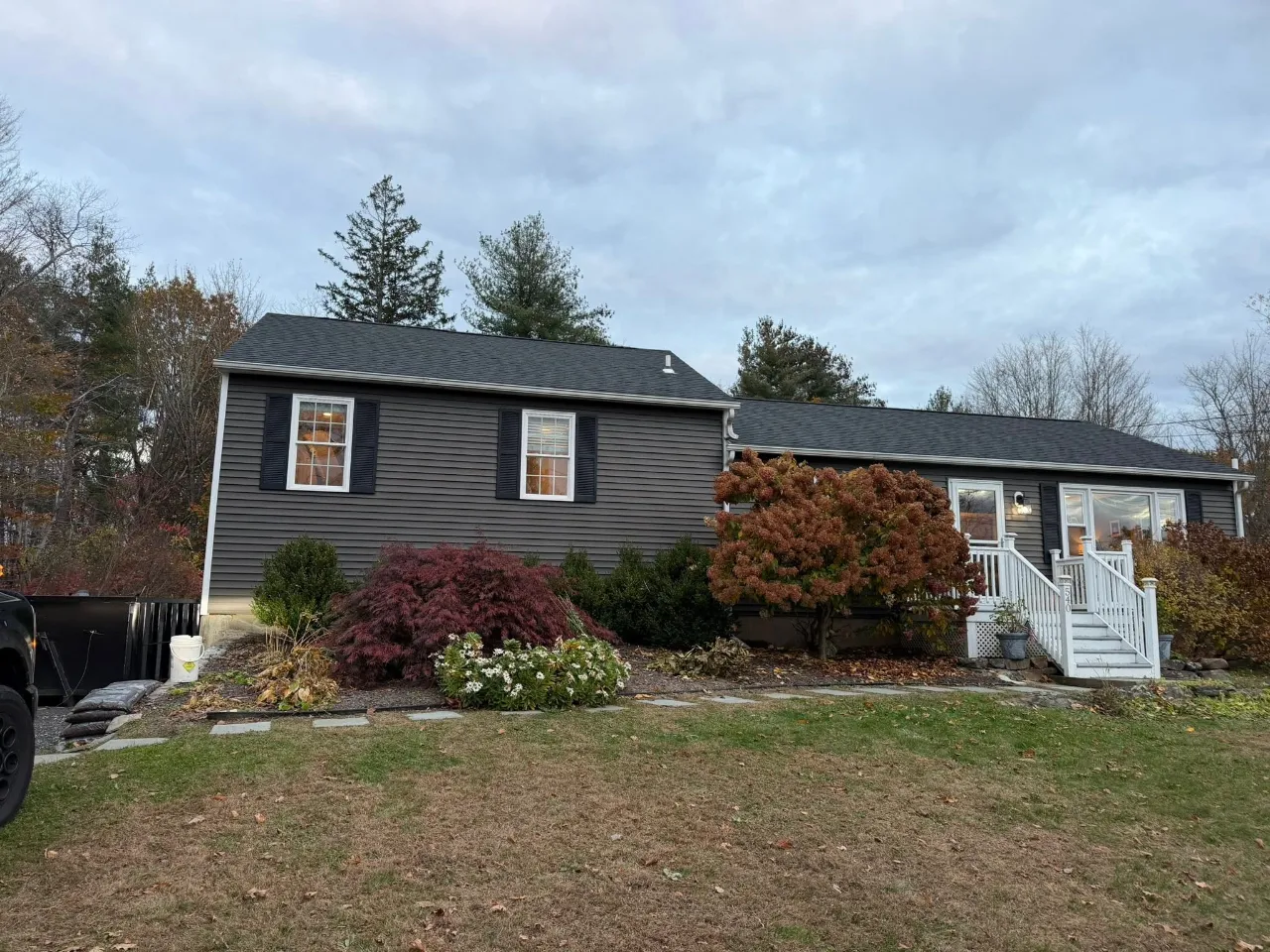
Why Nobody Should Quote Your Roof Over the Phone
A contractor who gives a firm price without seeing the roof is pricing an average house, which means either you are overpaying for a simple roof or the number will change once the work starts. Neither outcome is good for you. A real estimate comes after somebody gets up there, photographs the flashing, the valleys, and the eaves, looks in the attic if there has been a leak, and writes down what happens if the decking turns out to be bad. That process costs the contractor a couple of hours and costs you nothing at all, and it is the entire difference between a price and a guess.