Gutter cleaning is the least interesting item on any homeowner's list and one of the few that quietly protects everything else. A gutter system has exactly one job, which is moving roof water away from the foundation, and it stops doing that job long before anybody notices. The usual answer for gutter cleaning in Connecticut is twice a year, and that is a reasonable starting point. But the right schedule depends on what is growing over your roof, and the consequences of getting it wrong show up in places that have nothing to do with gutters: a stained wall, a soft fascia board, a wet corner of the basement every time it rains hard. Here is how to think about the timing, what changes it, and what actually happens when a season gets skipped. None of it is complicated, but the cost of ignoring it compounds quietly over a few winters until it stops being a gutter conversation and becomes a carpentry one.
The Two Windows That Matter Most
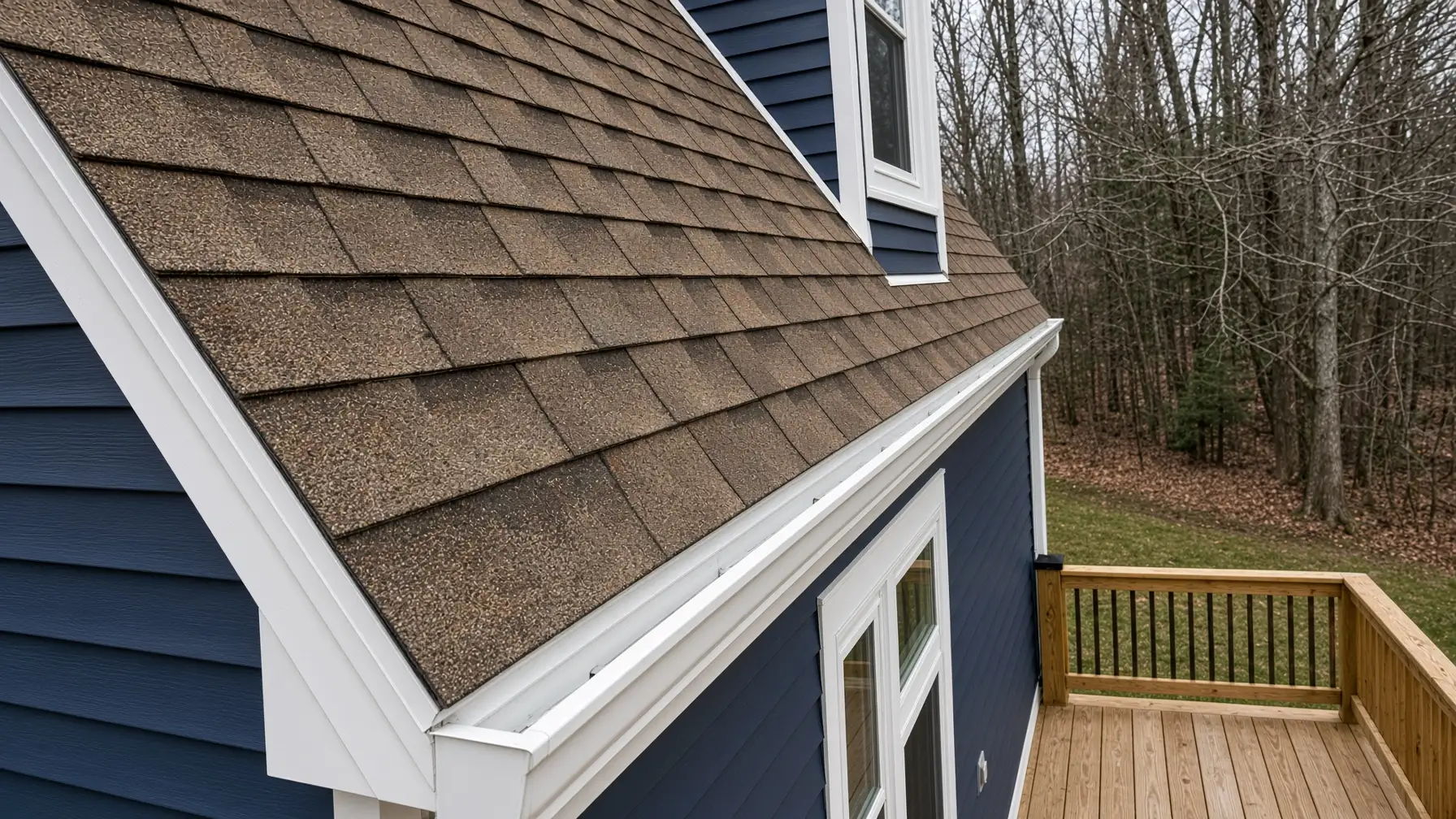
The first cleaning belongs in late fall, after the leaves have finished dropping. Going up in early October means doing it again in November, so the useful visit is the one that happens once the trees are mostly bare. That timing matters because of what comes next. Gutters that go into December full of wet leaves hold ice at the eave all winter, add weight the hangers were never sized to carry, and help push melt water back under the shingle edge. The second cleaning belongs in spring, once seed pods, buds, and whatever the winter dropped have come down and the system needs to be clear for heavy spring rain.

Tree Cover Changes the Schedule
Twice a year assumes an average lot. Plenty of Connecticut properties are not average. Oaks and maples drop heavily in a short window and fill a gutter fast. Pines are the harder problem, because needles come down all year and pack together more tightly than leaves do, forming a mat that water cannot pass through. A house surrounded by mature pines often needs three visits a year, and a house on an open lot with nothing overhanging the roof may genuinely be fine with one. The honest way to set the schedule is to look at what is directly above the roofline, not at a general rule.
What Happens When It Waits
Water that cannot get into the gutter runs over the front edge, and over time it stains the siding, saturates the fascia behind the gutter, and lands in a concentrated line against the foundation. That is the sequence behind most wet basements that have nothing to do with the basement. Meanwhile the debris sitting in the trough holds moisture directly against the fascia board, which is wood, and wood that stays wet rots. By the time a homeowner notices the gutter sagging, the hangers are usually pulling out of material that no longer holds a screw, and the repair has become carpentry.
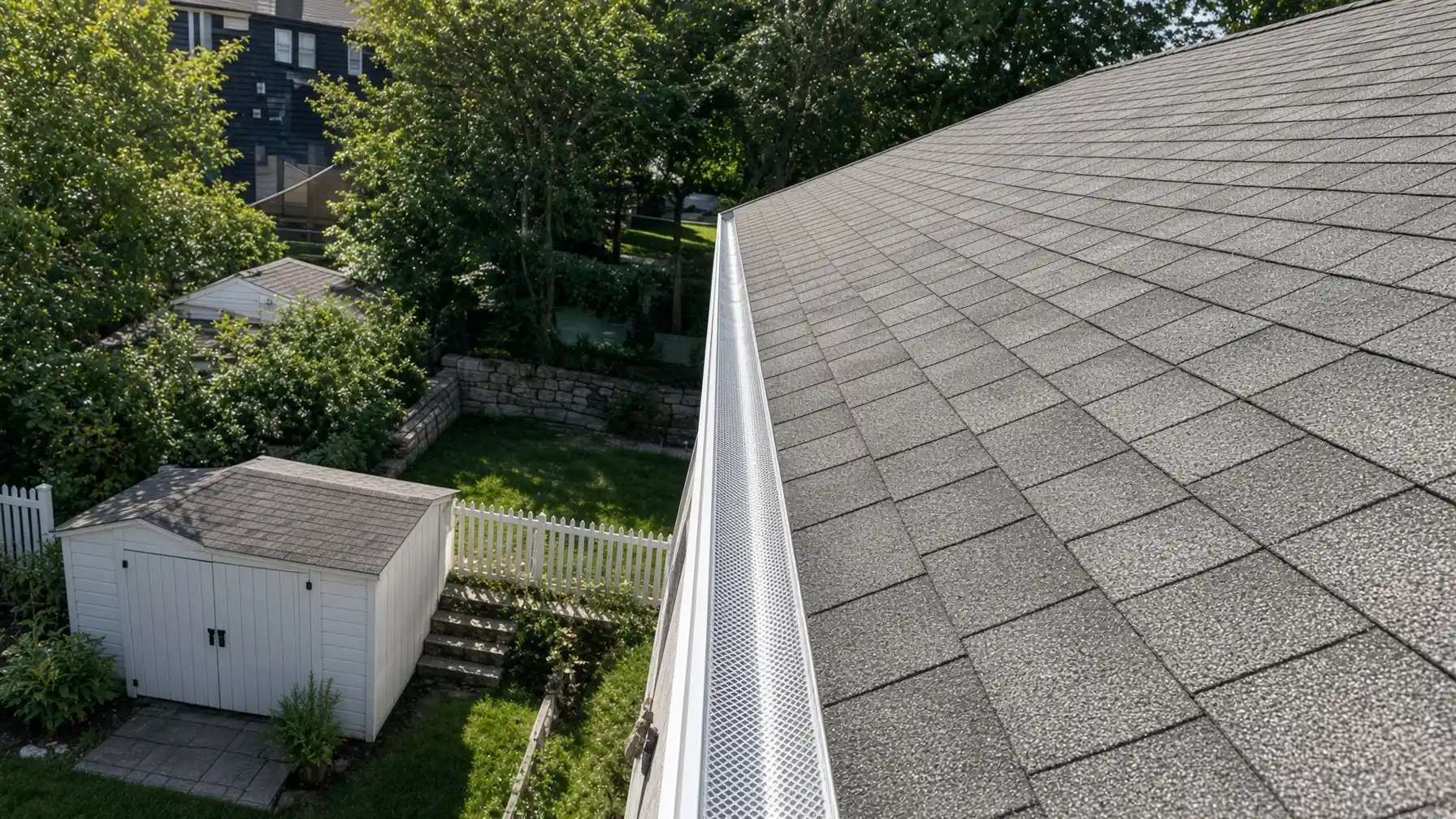
Doing It Yourself Versus Hiring It Out
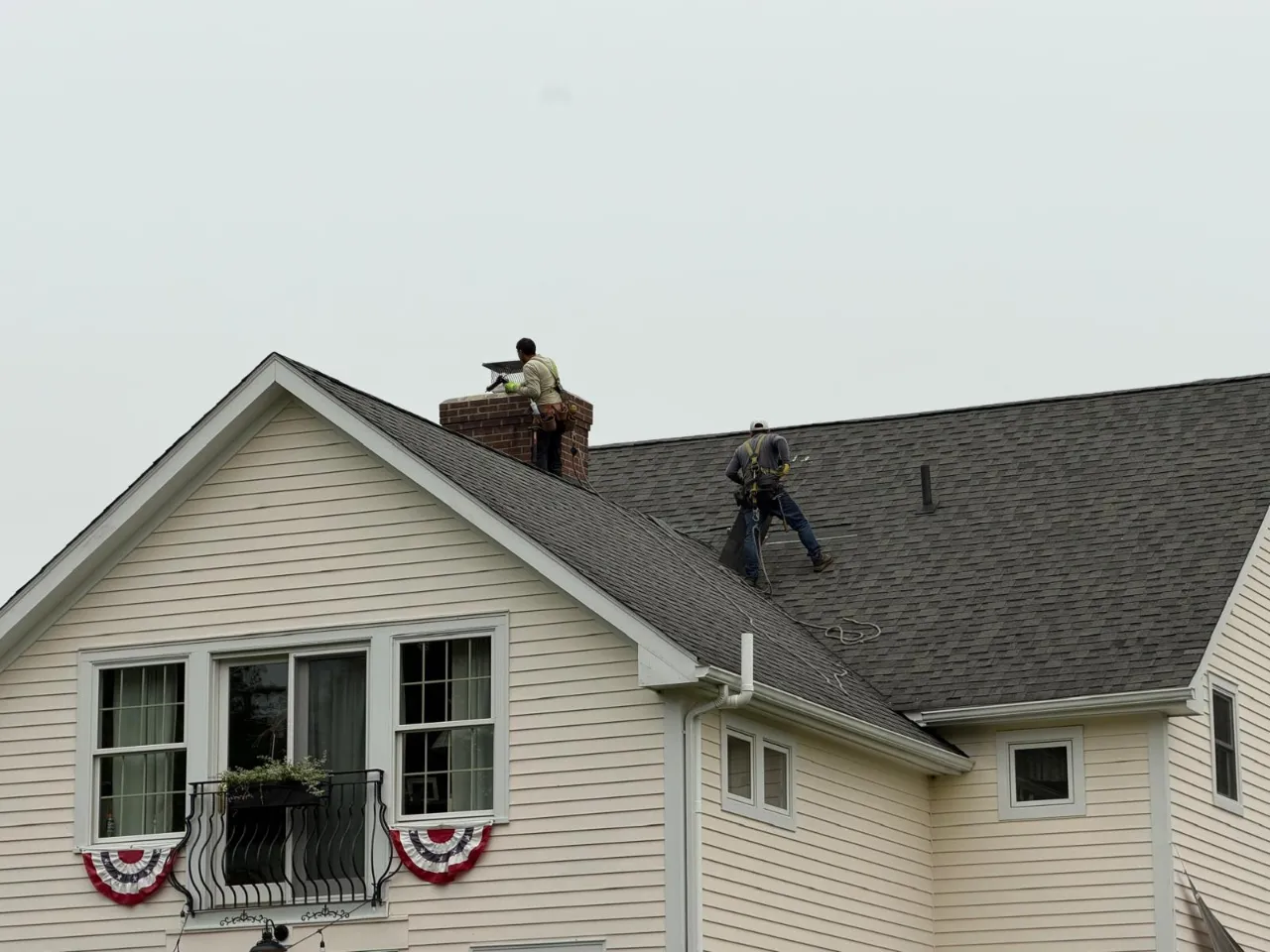
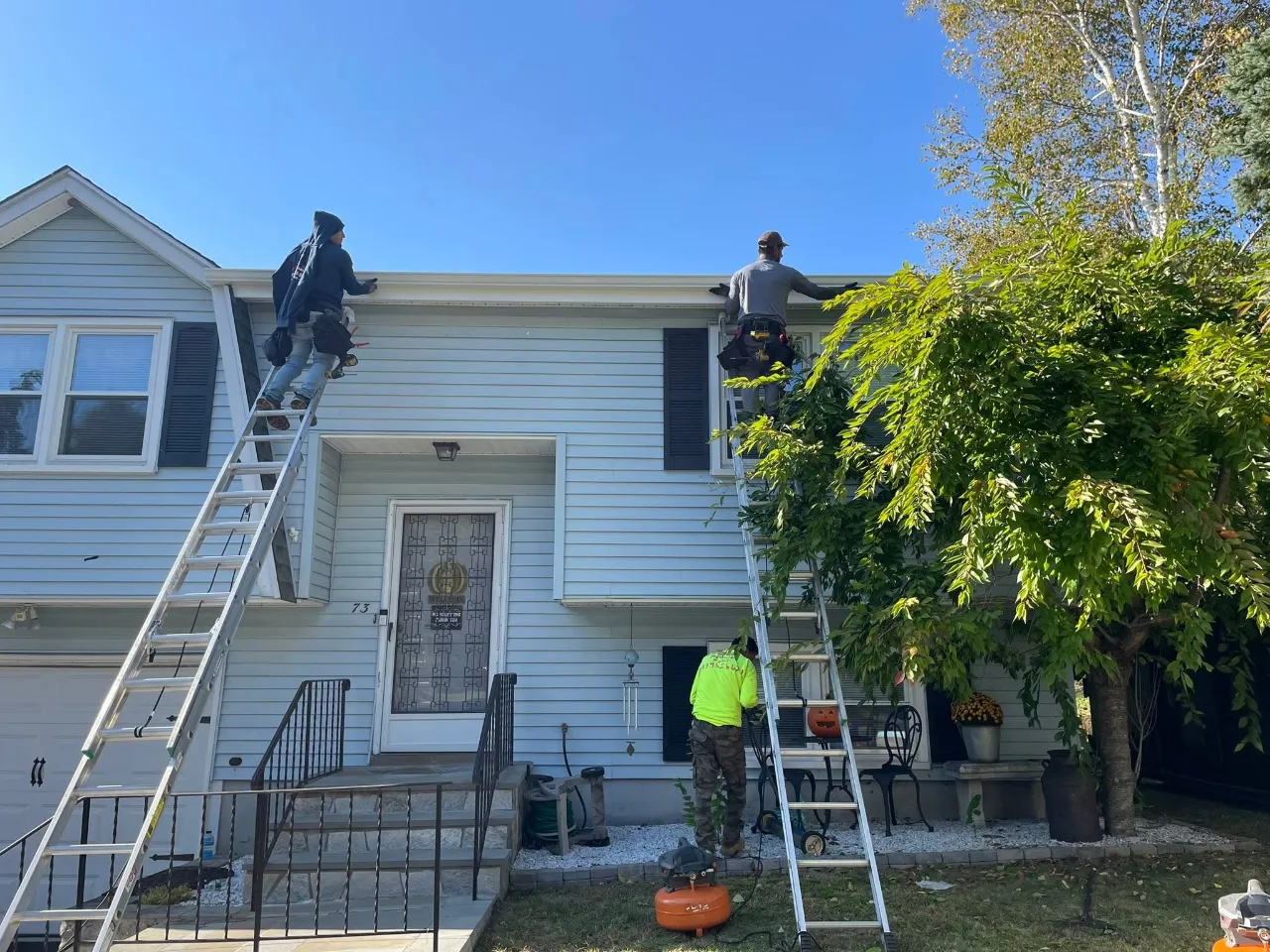
A single story ranch with accessible gutters and stable footing is a reasonable weekend job for somebody comfortable on a ladder. A two story colonial on a sloped lot in wet November leaves is a completely different situation, and every year emergency rooms in this state see the results of that decision. Beyond the safety question there is a practical one. Somebody already up there can check the fascia, the roof edge, and the downspout discharge at the same time, which is free information about problems that are still cheap to fix. Flushing the downspouts until they run clear matters as much as clearing the trough, because a clean gutter feeding a blocked downspout still overflows in the first storm.